Care in Motion
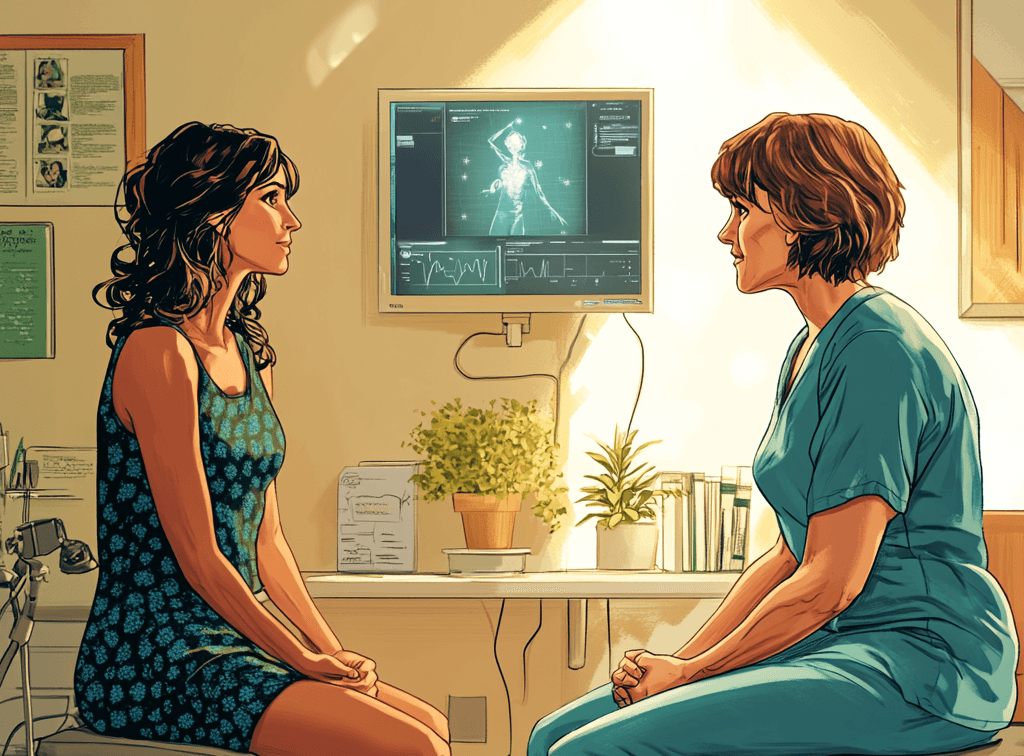
Healthcare designed for dignity and healing time that makes space for recovery and human connection.
AI-powered platform transforms clinician workflows, reducing administrative burden and enabling focus on patient care over paperwork.
30% Reduction in Clinical Documentation Burden
Healthcare CIO & Practicing Physician
The Problem
The Problem
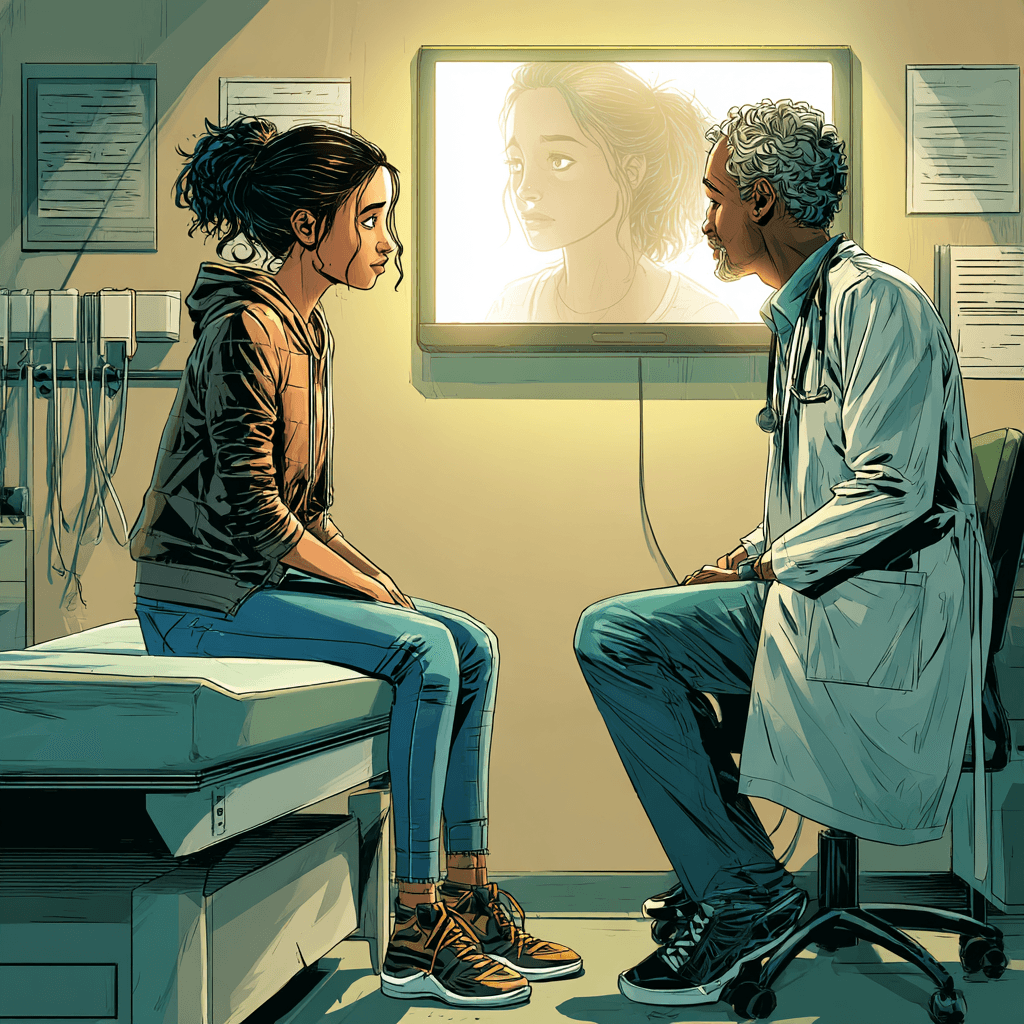
Modern healthcare is built on a complex web of tasks, documentation, and regulatory compliance. While these systems aim to ensure safety and coordination, they have increasingly placed screens and systems between humans—interrupting the essential relationships that support healing.
Across all roles, a common truth emerged: care feels mechanical, and connection feels secondary.
This not as a technology problem—but a design opportunity.
The Problem
Modern healthcare is built on a complex web of tasks, documentation, and regulatory compliance. While these systems aim to ensure safety and coordination, they have increasingly placed screens and systems between humans—interrupting the essential relationships that support healing.
Across all roles, a common truth emerged: care feels mechanical, and connection feels secondary.
This not as a technology problem—but a design opportunity.
The Philosophy
The Philosophy
Care in Motion addresses the deeply embedded pain points across healthcare’s triad: providers, nurses, and patients. This initiative shifts technology and workflows away from rigidity and fragmentation toward fluidity, presence, and meaningful connection. At its core, Care in Motion reimagines the experience of care—not just as a series of tasks—but as a continuous, human-centered narrative.
Just as Jefferson Fisher reminds us that “the person you see is not the person you’re talking to," we recognize that the chart is not the patient. The data on the screen, no matter how detailed, can never fully represent the person in the room. Care in Motion is about designing systems that help clinicians move beyond the interface to engage the human story beneath.


The Philosophy
Care in Motion addresses the deeply embedded pain points across healthcare’s triad: providers, nurses, and patients. This initiative shifts technology and workflows away from rigidity and fragmentation toward fluidity, presence, and meaningful connection. At its core, Care in Motion reimagines the experience of care—not just as a series of tasks—but as a continuous, human-centered narrative.
Just as Jefferson Fisher reminds us that “the person you see is not the person you’re talking to," we recognize that the chart is not the patient. The data on the screen, no matter how detailed, can never fully represent the person in the room. Care in Motion is about designing systems that help clinicians move beyond the interface to engage the human story beneath.

For Providers: Clarity, Flexibility, and Presence
The Challenge
Physicians face overwhelming demands to document, decide, and deliver—often simultaneously. Data is fragmented, decision points are buried, and prioritization is a constant struggle.
Care in Motion Response
We’re redesigning the physician experience to unify schedules, tasks, and clinical insights into a single, fluid workflow. This enables dynamic decision-making and restores clarity and professional autonomy.


Physicians saying administrative burdens significantly contribute to burnout
73%
AMA, 2023
Physicians spending excessive hours on EHR tasks versus patient care
2 hours
Health Affairs, 2021
Physicians considering leaving their practice within two years due to burnout
1 in 5
Mayo Clinic Proceedings, 2022


For Nurses & Medical Assistants: Time to Care
The Challenge
Nurses and MAs are tasked with maintaining clinical flow, supporting care delivery, and documenting meticulously—often at the expense of patient interaction. Critical information is frequently siloed or lost during transitions.
Care in Motion Response
We are designing workflows and communication tools that prioritize face-to-face interaction, streamline documentation, and create shared context across roles. This ensures nurses can focus on their central role: caring.
Time nurses spend documenting rather than engaging with patients
35%
Journal of Nursing Measurement, 2020
Nurses saying the EHR is not designed for their workflows
84%
National Nurses United, 2023
Ineffective communication during handoffs leading to adverse events
80%
Joint Commission, 2017
For Patients: Understanding, Privacy, and Calm
The Challenge
Patients navigate a healthcare system that can feel disjointed, opaque, and impersonal. They often don’t understand their conditions, or next steps. The burden of managing their care journey falls unfairly on them.
Care in Motion Response
We are creating compassionate, transparent tools that explain conditions clearly, reinforce next steps, and protect patient agency. We aim to help patients feel seen, supported, and safe.


Patients reporting leaving without understanding their care plan
1 in 3
Journal of General Internal
Medicine, 2021
Patients saying that managing their health is a full-time job
62%
Accenture Digital Health Consumer Survey, 2022
Patients concerned about how their personal health data is shared
80%
Kaiser Family
Foundation, 2023
For Providers: Clarity, Flexibility, and Presence
The Challenge
Physicians face overwhelming demands to document, decide, and deliver—often simultaneously. Data is fragmented, decision points are buried, and prioritization is a constant struggle.
Care in Motion Response
We’re redesigning the physician experience to unify schedules, tasks, and clinical insights into a single, fluid workflow. This enables dynamic decision-making and restores clarity and professional autonomy.


Physicians saying administrative burdens significantly contribute to burnout
73%
AMA, 2023
Physicians spending excessive hours on EHR tasks versus patient care
2 hours
Health Affairs, 2021
Physicians considering leaving their practice within two years due to burnout
1 in 5
Mayo Clinic Proceedings, 2022


For Nurses & Medical Assistants: Time to Care
The Challenge
Nurses and MAs are tasked with maintaining clinical flow, supporting care delivery, and documenting meticulously—often at the expense of patient interaction. Critical information is frequently siloed or lost during transitions.
Care in Motion Response
We are designing workflows and communication tools that prioritize face-to-face interaction, streamline documentation, and create shared context across roles. This ensures nurses can focus on their central role: caring.
Time nurses spend documenting rather than engaging with patients
35%
Journal of Nursing Measurement, 2020
Nurses saying the EHR is not designed for their workflows
84%
National Nurses United, 2023
Ineffective communication during handoffs leading to adverse events
80%
Joint Commission, 2017
For Patients: Understanding, Privacy, and Calm
The Challenge
Patients navigate a healthcare system that can feel disjointed, opaque, and impersonal. They often don’t understand their conditions, or next steps. The burden of managing their care journey falls unfairly on them.
Care in Motion Response
We are creating compassionate, transparent tools that explain conditions clearly, reinforce next steps, and protect patient agency. We aim to help patients feel seen, supported, and safe.


Patients reporting leaving without understanding their care plan
1 in 3
Journal of General Internal
Medicine, 2021
Patients saying that managing their health is a full-time job
62%
Accenture Digital Health Consumer Survey, 2022
Patients concerned about how their personal health data is shared
80%
Kaiser Family
Foundation, 2023